




Indoor air pollution is an often-overlooked aspect of environmental health that poses significant risks to human well-being. It results primarily from inadequate ventilation, which allows pollutants to accumulate within enclosed spaces, leading to a range of health issues for occupants. In contrast to outdoor pollution, indoor air quality can be more easily controlled and improved, yet it remains a persistent problem in many homes and workplaces.
One of the primary sources of indoor air pollution is the emission of volatile organic compounds (VOCs) from household products such as cleaning agents, paints, and furnishings. These compounds can cause immediate symptoms like headaches and dizziness and have been linked to long-term effects such as respiratory diseases and even cancer. Additionally, activities like cooking or smoking indoors release harmful particles into explore the content air. Without proper ventilation systems in place, these contaminants linger in the environment longer than they should.
Poor ventilation exacerbates the concentration of these pollutants by preventing their dispersal. When buildings are sealed tightly for energy efficiency purposes—common in modern construction—there’s less exchange between indoor and outdoor air. This means that any pollutants generated inside have nowhere to go but into the lungs of inhabitants. Over time, exposure to high levels of indoor pollutants can lead to chronic conditions such as asthma or other respiratory illnesses.
Biological contaminants also contribute significantly to poor indoor air quality. Mold spores thrive in damp environments with insufficient airflow; dust mites flourish similarly under stagnant conditions. Both mold and dust mites are known allergens that trigger reactions ranging from mild irritation to severe asthma attacks among sensitive individuals.
The implications extend beyond physical health; cognitive functions can also suffer due to poor indoor air quality. Studies suggest that high levels of carbon dioxide—a consequence of inadequate ventilation—can impair decision-making abilities and reduce work performance among office workers.
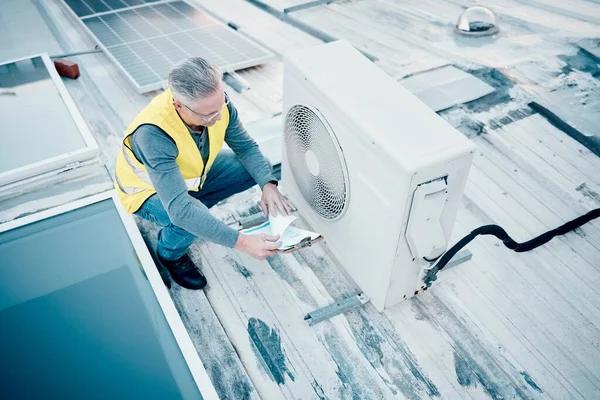
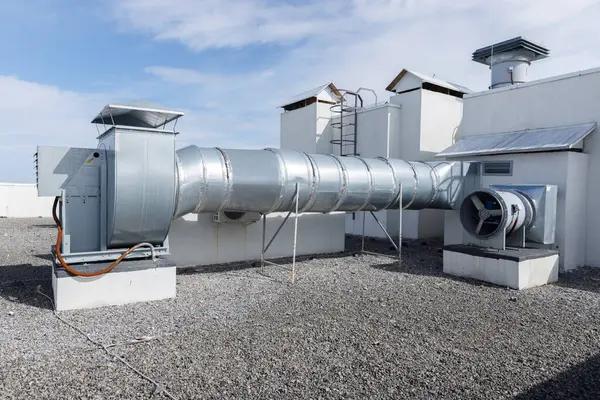
Addressing this silent threat involves both individual actions and policy interventions aimed at improving building standards globally. Homeowners can take practical steps by ensuring adequate ventilation through regular maintenance checks on HVAC systems or using exhaust fans during activities like cooking or showering where moisture accumulation is likely.
On a larger scale, governments must enforce stricter regulations regarding building designs emphasizing natural airflow alongside artificial systems designed specifically for pollutant removal rather than mere temperature control alone.
In conclusion, while invisible compared with its outdoor counterpart’s smoggy clouds hanging above cities worldwide—the dangers posed by poorly ventilated interiors demand urgent attention if we wish not only healthier lives but smarter ones too: free from preventable ailments caused simply because our living spaces weren’t allowed enough fresh breath themselves!