






Traveling, especially long-distance journeys, often leaves the body feeling stiff, sore, and fatigued. Whether it’s a cramped airplane seat, extended hours of driving, or simply being sedentary for prolonged periods, muscles can become tense and tight. Many travelers seek effective ways to alleviate this discomfort and promote muscle recovery once they reach their destination. One popular solution gaining attention is the use of massage chairs. But do massage chairs truly help with muscle recovery after travel?
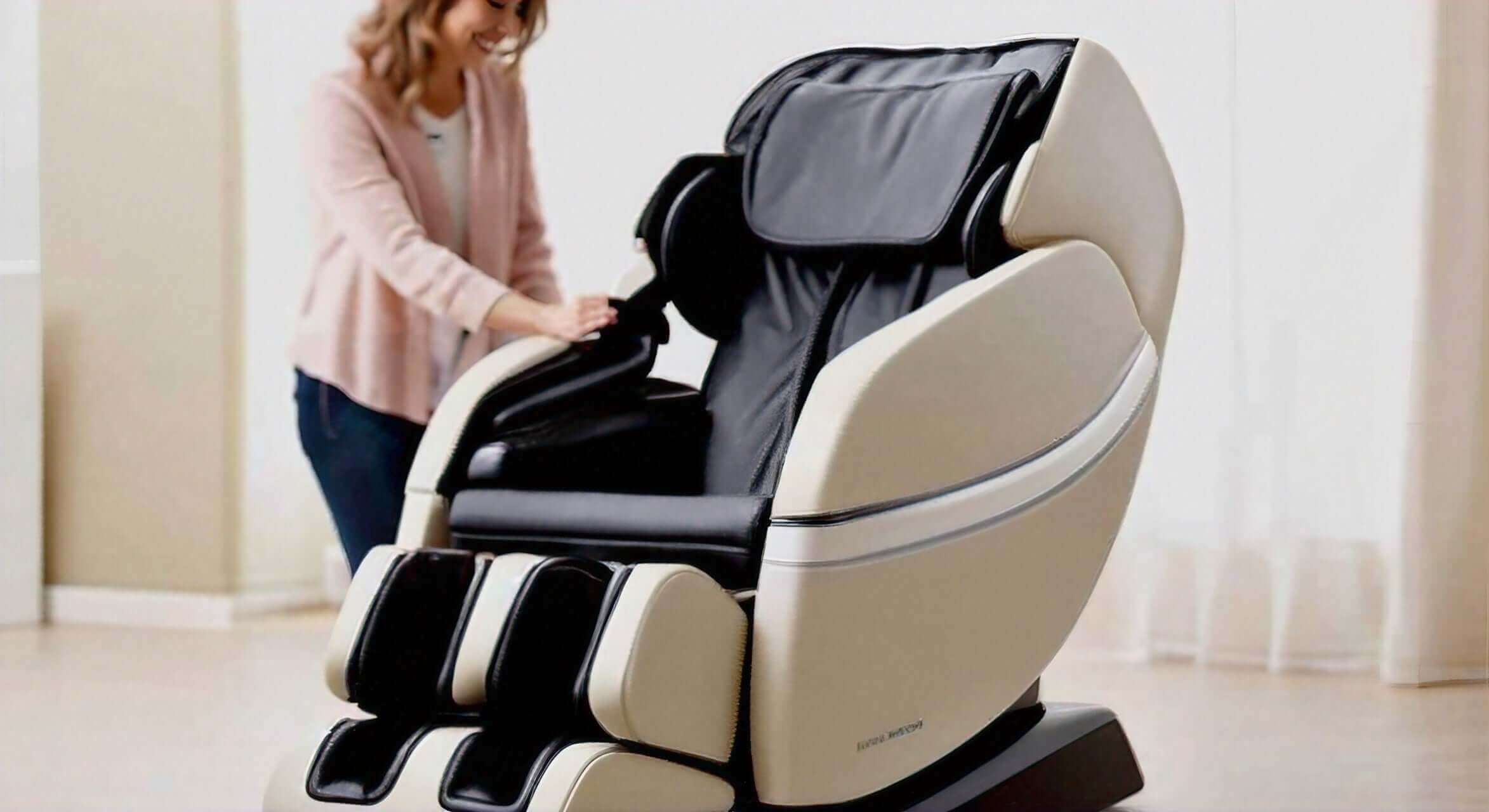
Massage chairs are designed to simulate various massage techniques such as kneading, tapping, rolling, and shiatsu. These methods aim to increase blood circulation and relax tense muscles-two crucial factors in the muscle recovery process. When blood flow improves, oxygen and nutrients are delivered more efficiently to muscle tissues while metabolic waste products like lactic acid are removed faster. This enhanced circulation helps reduce soreness and speeds up the healing process.
Moreover, massage chair reviews chairs provide consistent pressure on specific areas of the body that tend to accumulate tension during travel-like the neck, shoulders, back, and legs. By targeting these regions with adjustable intensity levels and programmable settings tailored for different body types or preferences, users can experience relief from stiffness caused by prolonged sitting or awkward sleeping positions during transit.
In addition to physical benefits related directly to muscles themselves, massage therapy also promotes relaxation through its effect on the nervous system. The gentle rhythmic motions stimulate sensory receptors under the skin which trigger a parasympathetic response-the body’s rest-and-digest mode-leading to reduced cortisol levels (stress hormone) and increased production of endorphins (natural painkillers). This combination not only alleviates mental stress but also lowers muscle tension indirectly by calming overall bodily functions.
Scientific studies support these claims; research indicates that regular massages can improve range of motion in joints affected by travel-related immobility while decreasing delayed onset muscle soreness (DOMS). Although traditional hands-on massages administered by professionals may offer deeper tissue manipulation than automated machines can replicate fully yet modern advanced massage chairs incorporate technologies such as heat therapy or air compression which further enhance therapeutic effects.
However important it is to recognize limitations: Massage chairs cannot replace comprehensive post-travel care routines including adequate hydration, stretching exercises or proper sleep hygiene-all essential elements for optimal recovery. They work best when integrated into an overall wellness strategy rather than relied upon exclusively.
In conclusion, massage chairs do help with muscle recovery after travel by improving circulation; reducing muscular tension; promoting relaxation; and supporting faster healing processes through their multi-functional features. While not a cure-all solution alone-they serve as convenient tools offering significant relief from common aches associated with traveling fatigue thereby enhancing comfort during those critical moments when your body needs restoration most.