








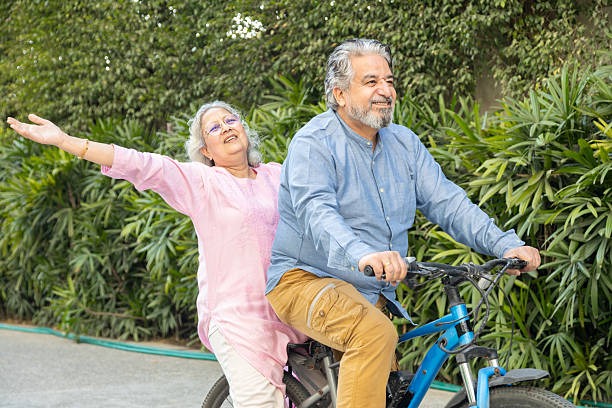
Incorporating sustainable exercise strategies into daily routines is essential for long-term health improvement and overall well-being. Sustainable exercise focuses on creating habits that are maintainable over time, rather than short bursts of intense activity that may lead to burnout or injury. The key to sustainability lies in consistency, enjoyment, and adaptability, which together help individuals stay motivated and engaged with their fitness goals.
One effective approach to sustainable exercise is prioritizing moderate-intensity activities that can be easily integrated into everyday life. Walking, cycling, swimming, or even gardening provide cardiovascular benefits without placing excessive strain on the body. These activities promote see full review endurance and improve heart health while being accessible to people of various fitness levels. Additionally, combining aerobic exercises with strength training enhances muscle tone and bone density, reducing the risk of chronic conditions such as osteoporosis or sarcopenia.
Setting realistic goals plays a crucial role in maintaining an active lifestyle. Instead of aiming for drastic changes within a short period, focusing on incremental progress encourages steady improvement without overwhelming the individual. For example, gradually increasing walking duration or adding light weights during workouts can build strength and stamina safely over time. Monitoring progress through simple methods like journaling or using mobile apps helps track achievements and identify areas needing adjustment.
Flexibility is another important factor when developing sustainable exercise routines. Life circumstances often fluctuate due to work commitments, family responsibilities, or unexpected events; therefore, having adaptable plans ensures continued physical activity despite changing schedules. Incorporating shorter sessions throughout the day or varying workout types prevents monotony while accommodating different energy levels and preferences.
Social support also contributes significantly to sustaining regular exercise habits. Engaging in group classes or partnering with friends creates accountability and makes physical activity more enjoyable through shared experiences. Positive reinforcement from peers encourages perseverance during challenging phases and fosters a sense of community around health goals.
Furthermore, paying attention to proper recovery techniques aids in preventing injuries that could disrupt consistent practice. Adequate sleep, hydration, balanced nutrition, and rest days allow muscles to repair effectively while maintaining energy reserves for subsequent workouts.
Ultimately, adopting sustainable exercise strategies involves blending purposeful movement with lifestyle considerations tailored individually for each person’s needs and circumstances. By emphasizing consistency over intensity alongside enjoyment rather than obligation, individuals can achieve meaningful improvements in physical health that endure throughout their lives. This holistic approach not only supports physical fitness but also enhances mental resilience by fostering positive habits rooted in balance and self-care principles essential for lifelong wellness maintenance.