









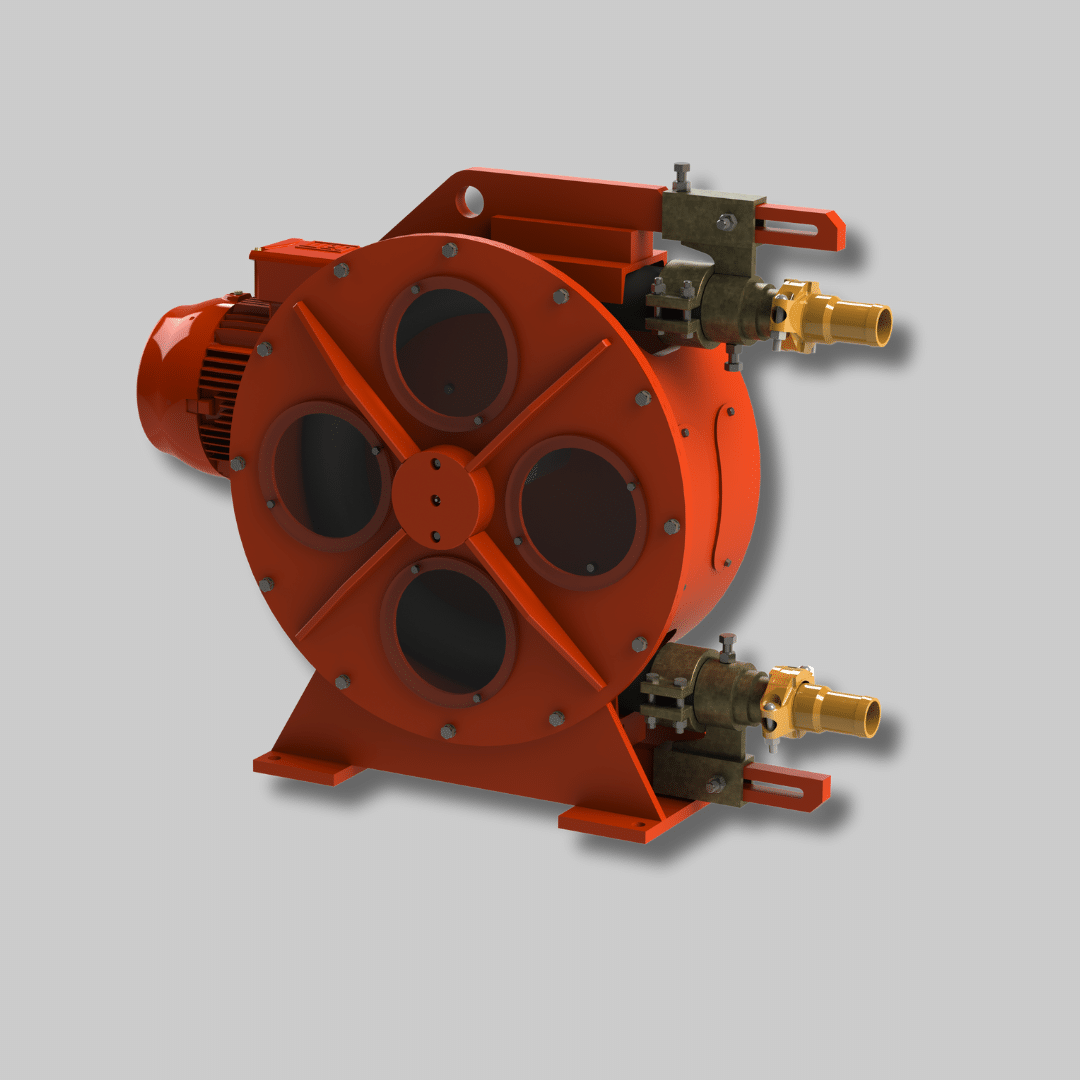
In the demanding environment of heavy industry, particularly in mining operations, the reliability and efficiency of equipment are paramount. One crucial component that often goes unnoticed but plays a significant role is the mining pipe coupling. These couplings serve as connectors between sections of piping systems used to transport slurry, water, air, and other materials essential for mining processes. Understanding the types, materials, and selection criteria for mining pipe couplings can greatly enhance operational performance and reduce downtime.
Mining pipe couplings must withstand harsh conditions such as extreme pressure, abrasive materials, corrosive fluids, and fluctuating temperatures. Therefore, their design prioritizes durability and secure sealing capabilities. Typically made from high-grade steel or ductile iron with protective coatings like epoxy or galvanization, these couplings resist wear and corrosion effectively. Some applications may require stainless steel variants to handle highly corrosive environments or specialized alloys tailored for unique chemical exposures.
There are several common types of mining pipe couplings, and clamp-style connectors. Rigid couplings provide a strong fixed connection ideal for straight runs where minimal movement is expected. Flexible couplings accommodate slight misalignments or vibrations within piping systems without compromising integrity-an important feature when dealing with dynamic loads encountered in heavy machinery operations. Grooved coupling systems offer quick installation benefits by utilizing grooved ends on pipes joined by a gasketed housing secured with bolts; this system allows easier maintenance access compared to welded joints.
Selecting the right coupling involves assessing multiple factors such as pressure rating requirements, pipe diameter compatibility, environmental exposure conditions (like moisture levels or chemical presence), temperature ranges during operation cycles, ease of installation needs based on site accessibility constraints,and potential future expansion plans that might necessitate modular components.
Maintenance considerations also influence coupling choice since some designs facilitate faster inspections and replacements thereby minimizing production interruptions-a critical advantage in continuous mining activities where downtime translates directly into financial losses.
In summary,picking appropriate mining pipe couplings tailored specifically for heavy industry applications ensures pipeline longevity,reliable fluid conveyance,and overall safety compliance.This attention to detail not only protects costly infrastructure investments but also supports uninterrupted productivity essential for meeting operational targets within challenging mine environments.By investing time upfront in understanding material properties,coupling designs,and application-specific demands,mining operators can achieve optimized system performance while mitigating risks associated with pipeline failures under strenuous working conditions.