



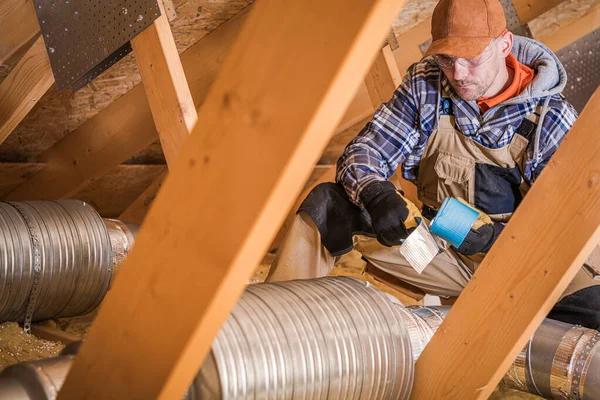
Installing HVAC line sets correctly is crucial for the efficient operation and longevity of heating and cooling systems. However, common mistakes during installation can lead to performance issues, increased energy consumption, and costly repairs. One frequent error involves improper sizing of the line set tubing. Using tubing that is too small or too large disrupts refrigerant flow, causing strain on the compressor and reducing system efficiency. It’s essential to follow manufacturer specifications carefully when selecting the diameter of both liquid and suction lines to ensure optimal performance.
Another typical mistake is failing to properly insulate the suction line. The suction line carries cool refrigerant gas back to the compressor; if it is not well insulated, heat gain from surrounding air can cause condensation or reduce cooling capacity. This leads to higher operating costs and potential moisture-related damage such as corrosion or mold growth inside walls or ceilings. Installing high-quality insulation with no gaps along the entire length of the suction line prevents these problems effectively.
Incorrectly routing or bending the lines also causes issues in many installations. Sharp bends restrict refrigerant flow and increase pressure drop within the system, which reduces efficiency and may trigger safety shutdowns in some units. Avoiding tight bends by following recommended minimum bend radii helps maintain smooth fluid dynamics inside pipes while preventing kinks that could block flow entirely.
Failure to adequately secure ac line sets during installation contributes further complications over time. Vibrations from compressors can cause unsecured lines to rub against building materials, leading to wear through insulation or even punctures in copper tubing that result in refrigerant leaks. Using proper clamps spaced according to guidelines ensures stability without compressing insulation material excessively.
Neglecting leak testing after installation is another critical oversight often seen among less experienced technicians or DIY installers. Refrigerant leaks not only degrade system efficiency but also harm environmental quality due to greenhouse gas emissions associated with many common refrigerants today. Performing thorough pressure tests before charging systems helps identify any weak points early so they can be corrected promptly.
Lastly, inadequate attention given to flare connections increases risk for future failures as poorly made joints are prone to leaks under thermal expansion cycles typical in HVAC operations. Ensuring flares are cleanly cut without burrs before assembly combined with correct torque application results in reliable seals resistant against vibration-induced loosening.
Avoiding these pitfalls requires careful planning, adherence to technical standards provided by manufacturers, proper tools usage, and post-installation verification steps such as leak detection tests and pressure checks. By addressing these common mistakes proactively during HVAC line set installation projects, professionals safeguard equipment reliability while enhancing overall energy efficiency for end users over time.