







Managing new equipment installations effectively is crucial for HVAC contractors to ensure customer satisfaction and maintain operational efficiency. One of the first steps involves thorough planning before the installation begins. Contractors should carefully review the project scope, specifications, and site conditions to anticipate potential challenges. This preparation includes verifying that all necessary permits are in place and confirming that the chosen equipment matches the client’s requirements and local codes. Proper planning reduces delays and avoids costly mistakes during installation.
Accurate communication between team members plays a vital role throughout the process. Clear instructions should be provided to technicians regarding equipment handling, placement, and connection details. Regular briefings help keep everyone aligned on tasks and timelines, minimizing confusion or errors on-site. Additionally, maintaining open communication with clients ensures they understand what to expect during installation, which fosters trust and transparency.
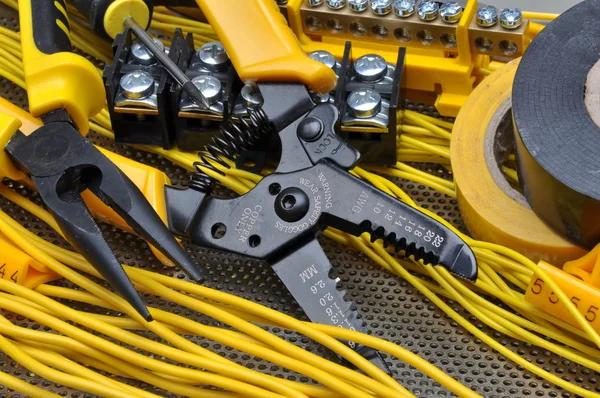
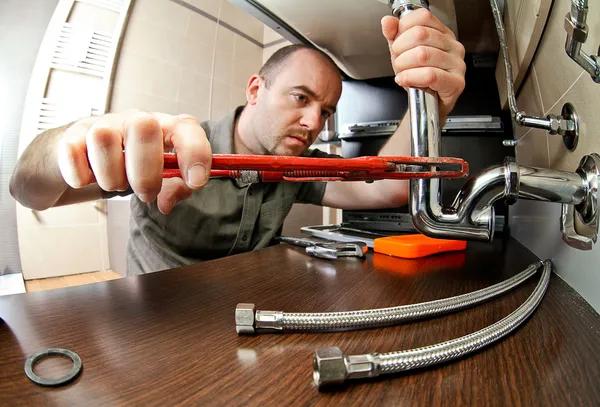
Another important factor is ensuring that all tools and materials needed for the job are readily available before starting work. Having everything organized prevents interruptions caused by missing parts or improper tools. HVAC contractors must also verify that their staff has received adequate training specific to new technologies or models being installed. Keeping technicians updated on manufacturer guidelines helps guarantee correct procedures are followed, reducing click now risks of damage or malfunction.
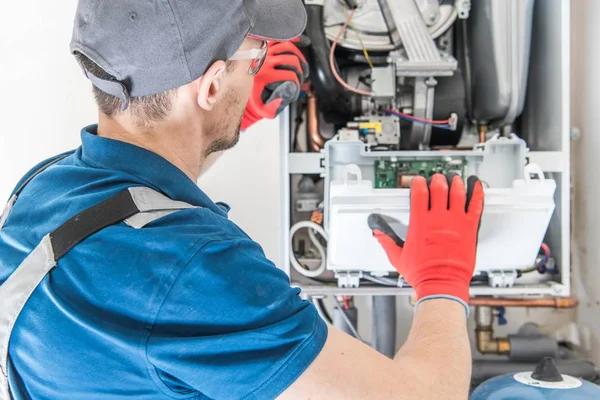
During installation, safety protocols must be strictly observed at all times. Contractors need to enforce proper use of personal protective equipment (PPE) while handling heavy machinery or electrical components. Adhering to safety standards protects both workers and property from accidents or injuries.
Testing newly installed systems thoroughly is essential before completion of any project. Running performance checks confirms that units operate efficiently under expected conditions without leaks or faults in connections. Any issues detected can then be addressed promptly rather than after handover when problems may become more complicated to resolve.
Documentation also plays a key role in managing installations successfully. Recording details such as serial numbers, configuration settings, test results, and maintenance recommendations provides valuable reference information for future service calls or warranty claims.
Finally, offering comprehensive post-installation support improves overall client experience significantly. Providing clear instructions about system operation along with scheduled follow-ups demonstrates professionalism and commitment beyond just completing physical work.