









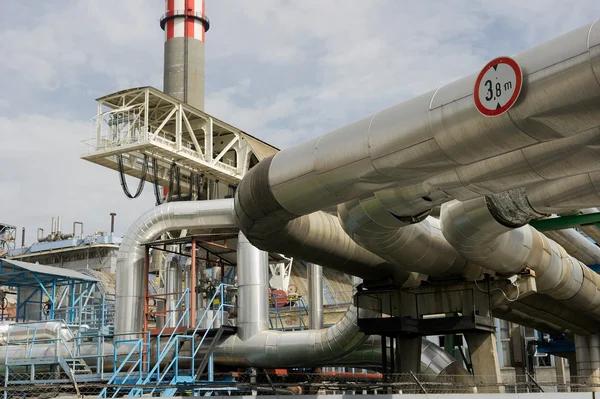
In the heart of modern industrial facilities lies a complex ecosystem, seamlessly integrating technology, human expertise, and rigorous processes to drive efficiency and innovation. These factory cores are not merely spaces where goods are produced; they represent the pinnacle of industrial engineering and operational excellence. Understanding their core essentials offers insight into how contemporary manufacturing meets global demands while maintaining quality and sustainability.
At the foundation of any modern factory is its infrastructure. This comprises advanced machinery, robotics, and automated systems that form the backbone of production lines. Automation has revolutionized manufacturing by enhancing precision, reducing human error, and increasing output rates. Robotics play a crucial role in handling repetitive tasks with high accuracy and speed, allowing human workers to focus on access this resource for more info complex problem-solving activities.
Central to these operations is an integrated digital network known as the Industrial Internet of Things (IIoT). IIoT connects machines, sensors, computers, and people through data-driven platforms that enable real-time monitoring and decision-making. By leveraging big data analytics, factories can optimize processes by predicting maintenance needs before breakdowns occur or adjusting production schedules based on demand forecasts.
Energy efficiency stands as another critical component within these facilities. With growing environmental concerns and stringent regulations on carbon emissions, factories have adopted sustainable practices such as using renewable energy sources like solar or wind power. Energy-efficient designs also include smart lighting systems and HVAC controls that minimize consumption without compromising productivity or comfort for employees.
Workforce dynamics within these environments have evolved significantly with technological advancements. Modern factories prioritize worker safety through ergonomic designs alongside comprehensive training programs that equip staff with skills necessary for operating sophisticated machinery safely. Collaborative robots or “cobots” work alongside humans to enhance productivity while ensuring safety standards are maintained.
Quality control remains paramount in ensuring products meet specific standards before reaching consumers. Advanced quality assurance techniques now employ machine vision systems capable of detecting defects at microscopic levels far beyond human capability. This ensures only products meeting exact specifications proceed along supply chains.
Furthermore, lean manufacturing principles guide operational efficiencies by minimizing waste across all stages from raw material acquisition to final product delivery. Continuous improvement philosophies encourage ongoing evaluation of processes to identify areas for enhancement which contributes directly towards cost reduction strategies without sacrificing quality.